Identity theft and financial scams are real threats to homeowners, and it’s critical to understand how to protect sensitive information. Fraudsters can use stolen mail, phishing calls or take advantage of weak passwords to get at your hard-earned cash. Here are some strategies to help you stay one step ahead and safeguard your financial information.
Click to navigate:
- Consider Digital Billing
- Strengthen Your Password Game
- Be Cautious with Callers
- Turn on Multi-Factor Authentication (MFA)
- Monitor Your Accounts Regularly
- Consider a Credit Freeze or Fraud Alert
- The Bottom Line
1. Consider Digital Billing
If you prefer to access your statements online, digital billing can add a layer of protection by requiring secure login credentials. You can view and store statements electronically or print copies for your records. Electronic delivery is optional, and paper statements remain available.
2. Strengthen Your Password Game
Forget short and snappy—when it comes to passwords, longer is stronger. Some security professionals recommend using phrases or full sentences as passwords. Think of a phrase that you find memorable but avoid personal information or very commonly used phrases. You might consider passwords like “RunningIsFun4Me!” or “IL0veC0ffee&AtSunrise,” which incorporate numbers and symbols for an added layer of security. Aim for at least 14 characters. If you write it down, make sure it’s stored somewhere safe—not right next to your computer.
3. Be Cautious with Callers
Scammers may also attempt to pose as representatives from banks or financial institutions to trick people into revealing sensitive information. If a caller whose identity you can’t verify asks for your Social Security number, credit card details or PIN, hang up and call the company back immediately at the number on their official website or on your statement. That way you can avoid scammers without missing out on important information.
4. Turn On Multi-Factor Authentication (MFA)
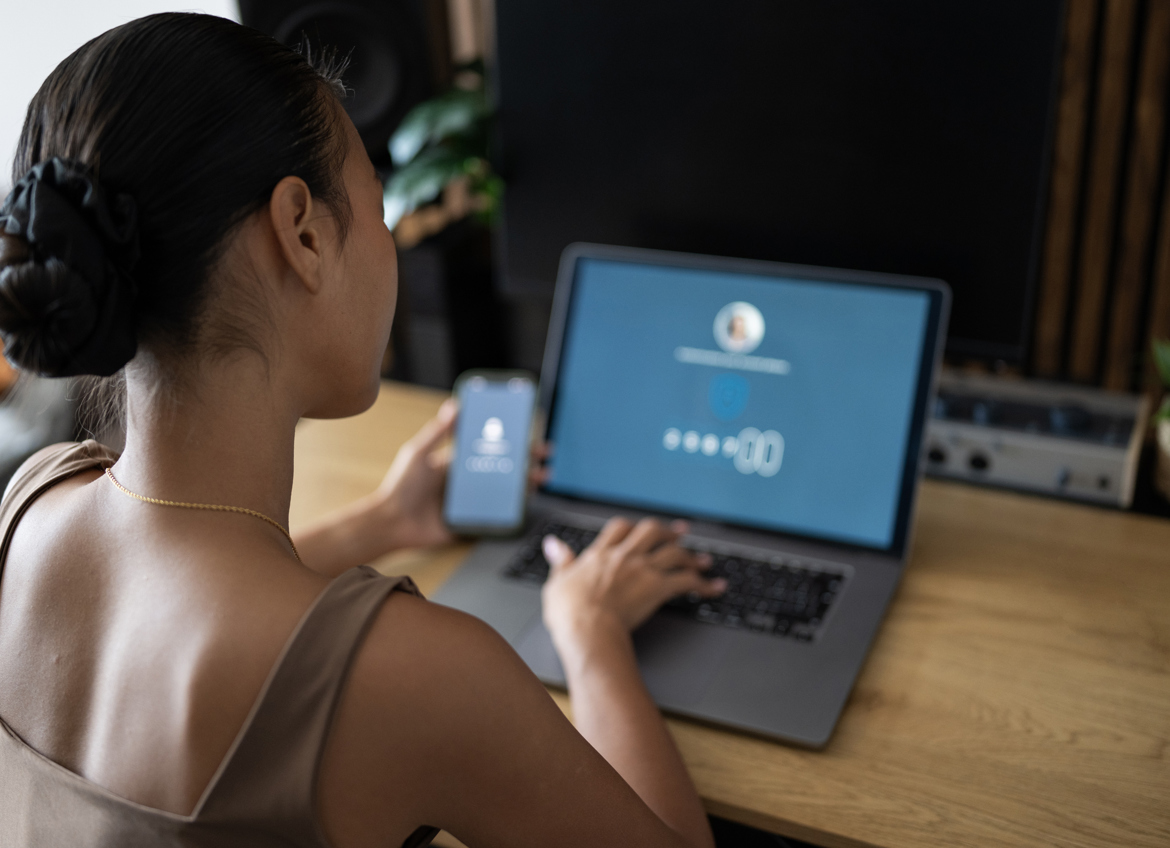
Even if a fraudster obtains your password, MFA provides an extra layer of protection by requiring a second form of verification, such as a code sent to your phone or generated by an authenticator app. Whenever available, enable MFA on banking, mortgage, email, and financial accounts.
5. Monitor Your Accounts Regularly
Review your bank, credit card, and mortgage accounts frequently for unauthorized activity. The sooner suspicious transactions are identified, the faster they can be reported and resolved.
6. Consider a Credit Freeze or Fraud Alert
A credit freeze can help prevent criminals from opening new accounts in your name. Fraud alerts notify lenders to take additional steps to verify your identity before extending credit.
The Bottom Line
Protecting your financial identity doesn’t have to be complicated. Switching to digital billing, creating stronger passwords and staying alert to potential scams can help reduce your risk. Making these habits part of your routine could help you safeguard your finances.